Creamy and Quick White Sauce
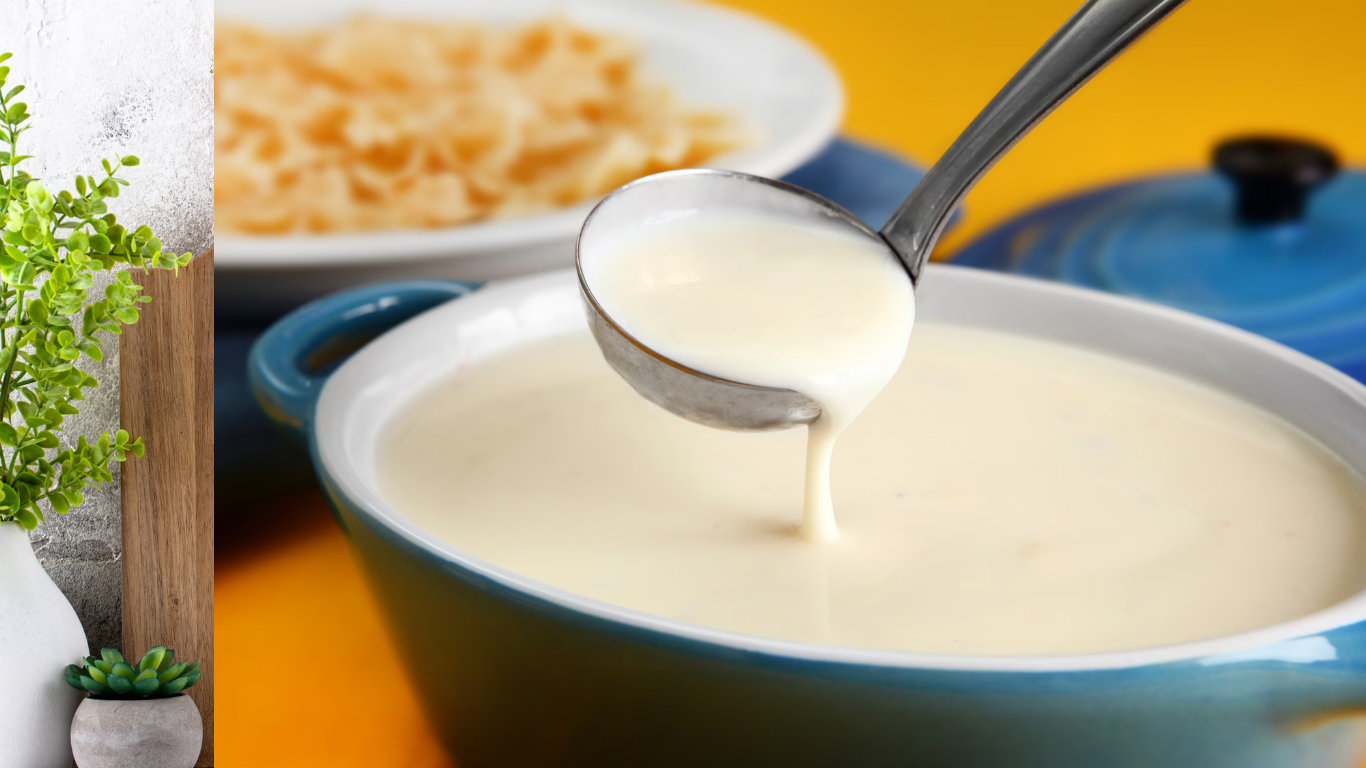
Creamy White Sauce (Molho Branco / Béchamel) — The Base That Will Transform Your Recipes
White sauce is the base that will transform your recipes. You will master essential ingredients like butter, flour, and milk. The secret is the roux, which guarantees a creamy, lump-free sauce. Here you will find simple measurements, how to melt butter without burning it, when and how to add the milk, and how to adjust the thickness on the spot. There are also variations with cheese, herbs, and dairy-free options. Tips on using, refrigerating, and reheating help maintain the perfect texture.
Key Takeaways
- Make a roux with butter and flour.
- Heat the milk slowly to avoid lumps.
- Stir constantly until the sauce thickens.
- Adjust salt, pepper, and nutmeg to taste.
- Serve hot over pasta, vegetables, or gratins.
Essential Ingredients: Butter, All-Purpose Flour, and Milk
The base of your sauce is simple and honest: butter, all-purpose flour, and milk. Butter adds flavor and helps dissolve the flour; flour creates the structure that holds the sauce together; milk gives body and smoothness. Think of it as a trio: each has a clear role, and without one, the sauce changes its personality.
When you melt the butter and mix in the flour, you are forming the roux — the secret weapon for avoiding lumps. Cooking the mixture for one to two minutes removes the raw flour taste and activates its thickening power. The secret is medium heat and constant attention.
Finally, the milk goes in gradually, stirring constantly, until the sauce becomes a creamy cloud. Use cold milk to make incorporation easier and stir until the mixture takes on a shine. For an extra touch, add salt, pepper, and a pinch of nutmeg; this transforms the white sauce into something comforting, like a warm hug in a pan.
Why the Roux Is the Foundation of Béchamel and White Sauce
The roux is pure easy culinary chemistry: the fat from the butter coats the flour particles, preventing them from forming lumps when the milk is added. The practical result is a smooth, even texture — and the difference between a silky sauce and a lumpy one. The time you cook the roux changes the flavor and color of the sauce. A lighter roux produces a delicate white sauce; a darker one brings almond-like notes. For classic béchamel, keep it light to medium.
Simple Measurements for a Quick and Foolproof Recipe
Classic ratio by weight: 1 part butter : 1 part flour : 10 parts milk. In household measures: 2 tablespoons butter + 2 tablespoons flour + 2 cups milk, producing about 2 cups of sauce — ideal for 2–4 people.
For 1 cup of sauce: 1 tablespoon butter + 1 tablespoon flour + 1 cup milk. For a thicker sauce, reduce the milk or increase the flour; for a thinner sauce, add warm milk gradually.
How to Measure for Perfect Creaminess and Thickness
Use level spoons and cups or weigh the ingredients; room-temperature butter melts faster, flour should not be packed, and cold milk helps avoid lumps — then heat until the desired texture is reached. Stir in a figure-eight motion with a whisk until the sauce coats the back of a spoon — that’s the foolproof test.
Step-by-Step Roux for Your White Sauce
The roux is the creamy foundation of white sauce. Start with butter and flour in a 1:1 ratio — usually 1 tablespoon of each for about 1 cup of milk. Create a smooth paste that will bind the liquid and give body to the sauce. Work over low heat and stir constantly to prevent the mixture from darkening.
Cook for 1–2 minutes until the raw flour taste is gone, without letting it brown. Use a whisk or wooden spoon; if the mixture becomes too dry, add a tablespoon of warm milk to loosen it. When adding the milk, do it slowly and in a continuous motion. The roux accepts warm liquid better, reducing lumps. Season with salt and a touch of nutmeg if desired.
How to Melt Butter Without Burning It and Combine with Flour
Use low heat. Cut the butter into smaller pieces; it melts faster and distributes the heat evenly. When the foam disappears and the color is pale, it’s time to add the flour. If the butter browns, start over — the flavor turns bitter.
When adding the flour, sprinkle it in gradually and stir continuously until a smooth paste forms. Cook for 1–2 minutes without letting it darken.
When and How to Add the Milk to Avoid Lumps
Add warm milk when the roux is smooth and glossy. Start with a thin stream or a small amount, stirring vigorously until the mixture is uniform. Continue adding gradually, always stirring with a whisk. If lumps appear, beat with the whisk or strain through a sieve.
Ideal Temperature and Time for a Lump-Free Sauce
Maintain medium-low heat to melt the butter and cook the roux; cook the roux for 1–2 minutes, and after adding the milk, let it cook for 5–10 minutes over low heat, stirring constantly, until thickened.
How to Adjust the Creaminess and Thickness of Your White Sauce
If the sauce turns out different from planned, taste it first. To thin it, use warm milk; to thicken it, make a quick roux or reduce the sauce. A roux works well: melt butter, add an equal amount of flour, cook for 1–2 minutes, and incorporate into the sauce, stirring constantly. Reducing over low heat also concentrates flavor without adding fat.
Add warm liquid to integrate better; use a whisk to maintain a smooth texture. Often the sauce thickens on its own as it cools — wait a few minutes before making further adjustments.
If the Sauce Is Too Thin: Practical Solutions with Roux or Reduction
The cleanest solution is a roux: 1 tablespoon of butter to 1 tablespoon of flour, cook into a light paste, and incorporate into the hot sauce, stirring constantly. Another option is to reduce the sauce over low heat until the water evaporates; or use a cornstarch slurry mixed with cold milk, dissolved before adding.
If the Sauce Is Too Thick: How to Thin It Correctly
Thin with small amounts of warm milk or broth, one tablespoon at a time, stirring between additions. Use pasta water for pasta dishes — it contains starch that loosens the sauce without diluting the flavor. Keep the heat low; strong boiling can cause the sauce to break. A drizzle of butter or a little cream restores shine.
Tips for Maintaining Creaminess When Reheating
Reheat over low heat or in a double boiler, add a little warm milk, and stir; never let it boil. A small knob of butter at the end helps restore the velvety texture.
White Sauce Variations: From Classic Béchamel to Seasoned Versions
Classic white sauce — béchamel — starts with a roux: butter and flour cooked together, then warm milk added until a smooth sauce forms. It’s the base for lasagna, gnocchi, and gratins — try using the sauce in a skillet lasagna when you want something quick and creamy.
Variations: use heavy cream for richness, skim milk for lightness, or replace part of the milk with chicken broth for depth. A splash of white wine or sautéed mushrooms adds character without destroying the essence of milk and butter.
Adding Cheese for a Creamier and More Flavorful Sauce
Choose cheeses that melt well: parmesan, gouda, mozzarella, cream cheese. Grate finely and add over low heat, stirring until smooth. Practical rule: about 100 g of cheese per 500 ml of sauce. Adjust the salt — aged cheeses are salty — and if the sauce breaks, add hot heavy cream to bring it back together.
Herbs and Seasonings That Complement Without Overpowering
Fresh herbs like parsley, chives, and basil add freshness; add at the end. Dried herbs like thyme work well if incorporated early. Mild seasonings like black pepper and a pinch of mustard enhance without overpowering. Lemon zest brightens without taking center stage.
How to Balance Salt, Nutmeg, and Pepper
Start with a small amount of salt, grate a minimal pinch of nutmeg, and add pepper gradually. Taste between each adjustment: the goal is to enhance the milk and butter, not hide them.
White Sauce Substitutions for Dietary Needs and Intolerances
There are practical and delicious options to adapt white sauce. For lactose intolerance, swap the milk for neutral plant-based milks and adjust the texture with starches. For vegans, replace the butter with oils or plant-based margarine and use gluten-free flours.
For gluten intolerance, choose flours like rice flour or starches like cornstarch to thicken. Test proportions in small amounts until the texture is right.
Milk Alternatives: Plant-Based Milks and How Each Affects Creaminess
- Oat milk: creaminess and behavior similar to cow’s milk.
- Soy milk: good structure, neutral flavor.
- Almond milk: thinner, use a thickener.
- Coconut milk: very fatty, strong flavor — use sparingly.
- Rice milk: lighter, combine with cornstarch for texture.
How to Replace Butter and Flour in Gluten-Free or Vegan Recipes
Use olive oil, neutral oil, or plant-based margarine in place of butter. For flour, options include rice flour, gluten-free mix, cornstarch, or tapioca starch. Technique: create a roux with oil and starch — heat the oil, add the starch, stir until a cream forms, then gradually add the plant-based milk.
Choices That Maintain Creaminess Without Losing Texture
Combine a fattier plant-based milk (oat or coconut) with cornstarch or rice flour; or use blended cashews with water for an ultra-smooth result. A drizzle of olive oil at the end or a spoonful of plant-based cream restores shine.
How to Use and Store Your Creamy White Sauce
Keep white sauce ready in the fridge for lasagna, fettuccine, gratins, or roasted vegetables. To store, let it cool completely before covering, keep in airtight containers, and mark the date. Divide into single-use portions for convenience.
When reheating, stir over low heat or use a double boiler; if it’s too thick, add warm milk or a drizzle of heavy cream. If it separates, whisk it and add a small knob of butter to bring it back together.
Storage Time in the Fridge and Freezer
Store in the fridge for 3–4 days in well-sealed containers. In the freezer it lasts up to 2 months, in small portions or in ice cube trays — thaw in the fridge before reheating.
Dishes That Pair Well with White Sauce: Pasta, Gratins, and Vegetables
Pasta (lasagna, gnocchi, tagliatelle) is the classic pairing; for a simple and flavorful pasta, try combining with a garlic and olive oil pasta enriched by the sauce. For fillings and sides, quick shredded chicken works perfectly. Gratins and vegetables (potato, cauliflower, broccoli) gain creaminess and comfort under a golden cheese crust — a great inspiration is the shepherd’s pie with ground beef.
Also worth using the sauce in creamy dishes like a leek risotto or in practical everyday recipes listed in simple homestyle dishes.
Quick Tips for White Sauce
- Use warm milk when adding to reduce lumps.
- Always stir with a whisk in a figure-eight motion until the sauce coats the spoon.
- To thicken without altering flavor, make a separate roux and incorporate gradually.
- When reheating, never let it boil; use low heat.
- Note down the proportions that work in your kitchen — this makes it easy to repeat the success.
Conclusion
The basics are simple and powerful: master the roux — made with butter and flour — and the rest comes naturally when you add the milk gradually. Follow clear proportions, stir constantly, and work over medium-low heat to guarantee a creamy, lump-free sauce.
If something goes wrong, adjust: a little more warm milk thins it; a quick roux thickens it; reducing concentrates the flavor. When serving, white sauce becomes a blanket for pasta, gratins, and vegetables; to store, cool before covering and divide into portions to preserve texture — fridge 3–4 days, freezer up to 2 months. When reheating, go slowly and add a drizzle of milk or a small knob of butter to restore the shine.
Ready to try variations with cheese, herbs, or plant-based milks? You already have the map. For menu ideas and complementary recipes that use creamy bases, check out practical suggestions in the weekly menu or get inspired by how to make the most of ingredients you already have at home.




4 comentários sobre “Creamy and Quick White Sauce”