Afternoon coffee

Refreshing Afternoon Tea Drinks — Your Practical Guide to Healthy and Delicious Beverages
This guide to refreshing afternoon tea drinks will help you choose healthy and delicious beverages for your snack time. You will find simple ingredients like natural juice, infused water, and homemade lemonade, tips to avoid excessive sugar and opt for iced tea or iced coffee without unnecessary additions, pairing suggestions with cakes, sweets, and savory snacks, tricks for serving at the ideal temperature, how to store safely in the fridge, and how to adapt to your dietary restrictions. There are also presentation ideas, money-saving tips, and a basic shopping list for your afternoon tea.
Key Points
- Use afternoon tea time to recharge your energy.
- A light snack with coffee improves your focus.
- Avoid caffeine too late in the day to protect your sleep.
- Share afternoon tea to relax with friends.
- Take a short break with a refreshing drink and get back to work with more energy.
How to Choose a Healthy Refreshing Drink for Your Afternoon Tea
Choosing a refreshing afternoon drink starts with asking what you want: hydration, refreshment, or a complement to a sweet treat. If you want lightness, prefer water-based drinks or iced tea; if you want more flavor, dilute natural juices with water to reduce sweetness. Think about what you’re pairing it with: a simple cake calls for a less sweet drink; a buttery biscuit pairs well with a more vibrant lemonade.
Consider your routine: if you feel an energy dip in the afternoon, avoid sugar spikes that cause a later crash. Prefer fresh fruit, herbs, or a touch of iced coffee for a moderate boost. Adjust the sugar by starting with less — your palate adapts.
For practicality, choose easy and long-lasting fridge ingredients: lemons, oranges, black or green tea, mint, or basil. A pitcher of infused water or light lemonade changes your snack without guilt.
Simple Ingredients: Natural Juice, Infused Water, and Homemade Lemonade
Diluted natural juice (1 part juice to 2–3 parts water) cuts calories while keeping flavor. Use seasonal fruit: strawberry, apple, tangerine. A small spoon of honey or natural sweetener can be added if needed. For juice ideas focused on detoxing and balanced flavor, check out detox juice combinations that avoid excess sugar.
Infused water and lemonade are versatile: lemon, orange, or cucumber slices with mint gain flavor in the fridge within a few hours. For lemonade, squeeze lemons, add water, adjust sweetness, and serve with ice and herbs.
Avoid Excessive Sugar; Prefer Iced Tea or Iced Coffee Without Unnecessary Additions
Excess sugar causes energy fluctuations. Swap soft drinks for homemade iced tea or iced coffee with little or no sweetener. Black, green, or herbal blend teas offer varied flavors with few calories and no sugar. For creaminess, a touch of plant-based or skimmed milk replaces syrups. For iced coffee, try diluted cold brew with water or ice and a drizzle of milk for body without excessive sweetness. Reducing sugar gradually helps your palate return to more natural flavors.
Safe Quantities Per Person and Recommended Hydration
For afternoon tea, 200–300 ml per portion is sufficient with a snack; maintain 1.5–2.5 liters of fluids throughout the day depending on activity. For caffeinated drinks, limit to 1 medium cup (100–150 mg of caffeine) in the afternoon to avoid disrupting sleep. In heat or during activity, increase water intake.
Drink and Food Pairings That Work Well
Think in equivalencies: citrus and herbal flavors pair with light cakes; creamy and chocolatey flavors call for clean, acidic drinks to cut through the richness. A fresh lemonade lifts the flavors of chocolates and sweets without overpowering the cake.
Use subtle contrasts: if the sweet is very sugary, choose a drink with slight bitterness or acidity — iced hibiscus tea, sparkling water with lemon zest, or diluted passion fruit juice are great counterpoints to pudding and creamy tarts. Consider texture: crunchy biscuits call for drinks that cleanse the palate; moist cakes pair well with drier and fresher drinks.
Drinks That Harmonize with Homemade Cakes, Sweets, and Biscuits
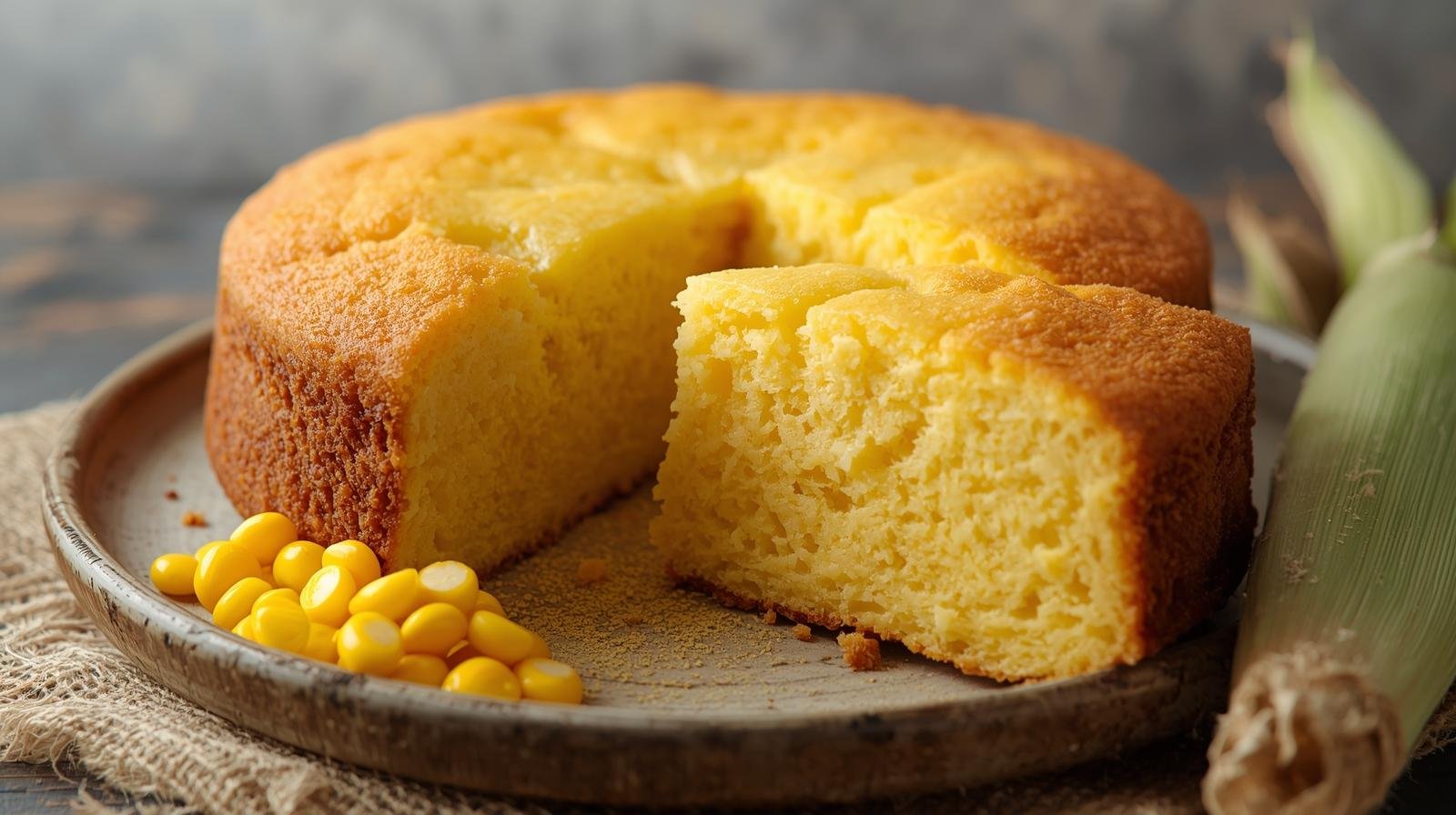
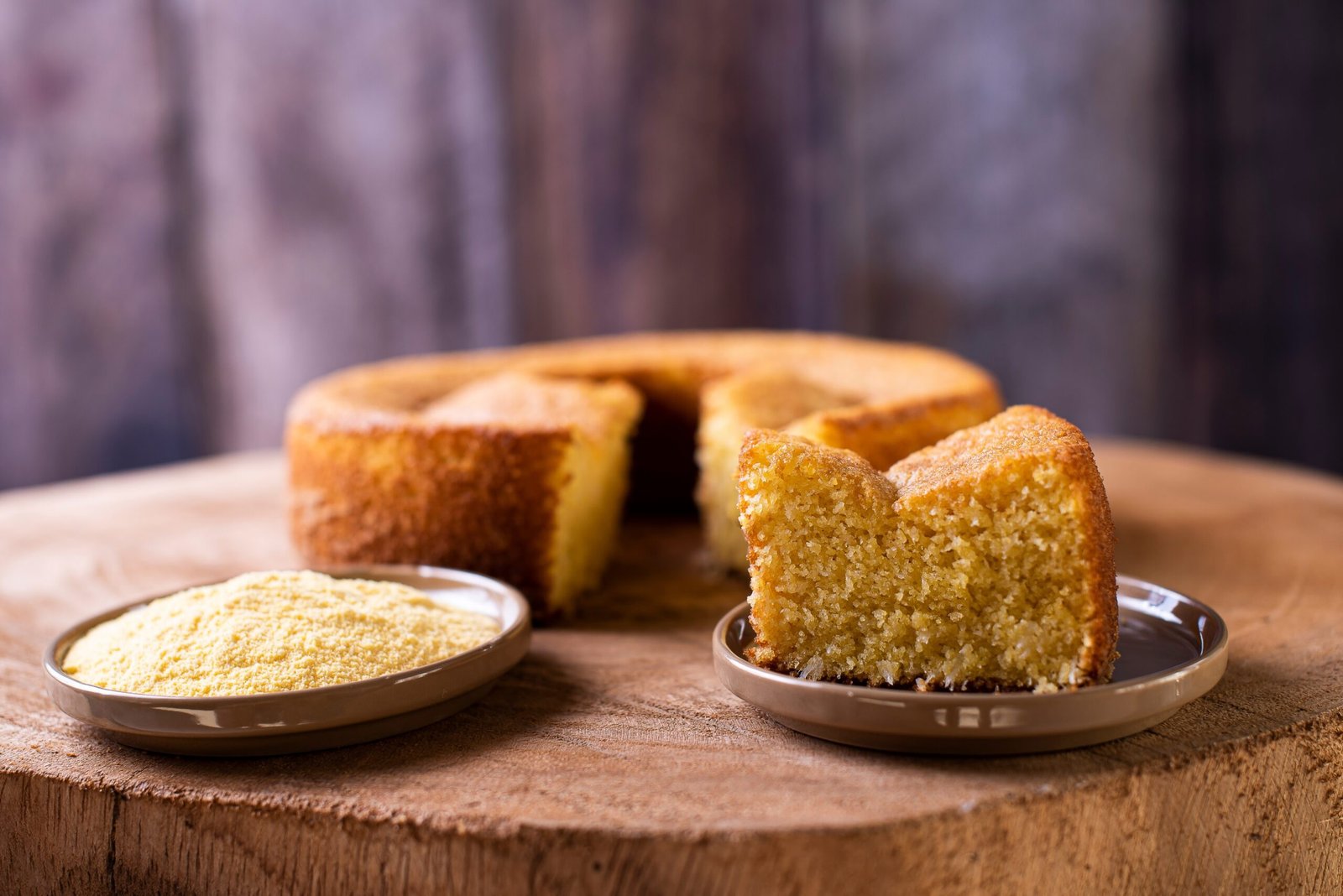
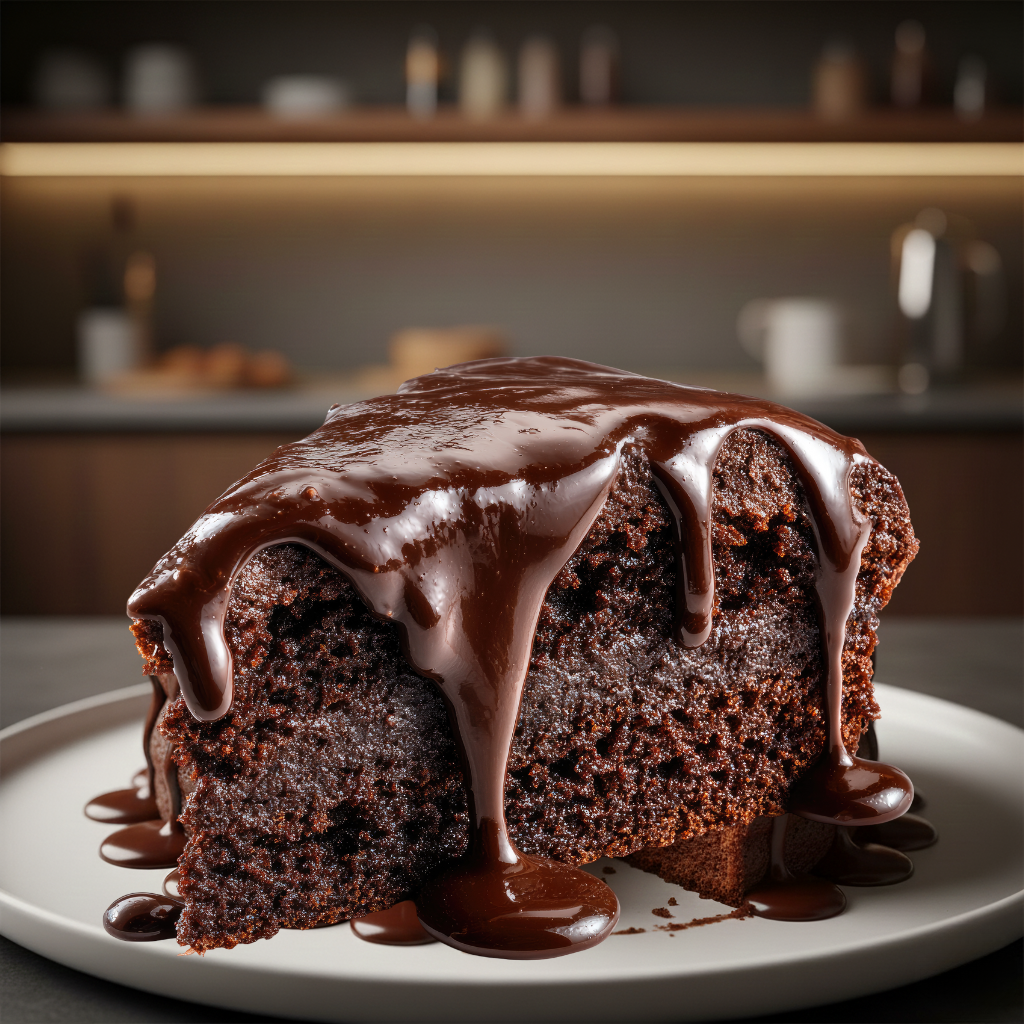
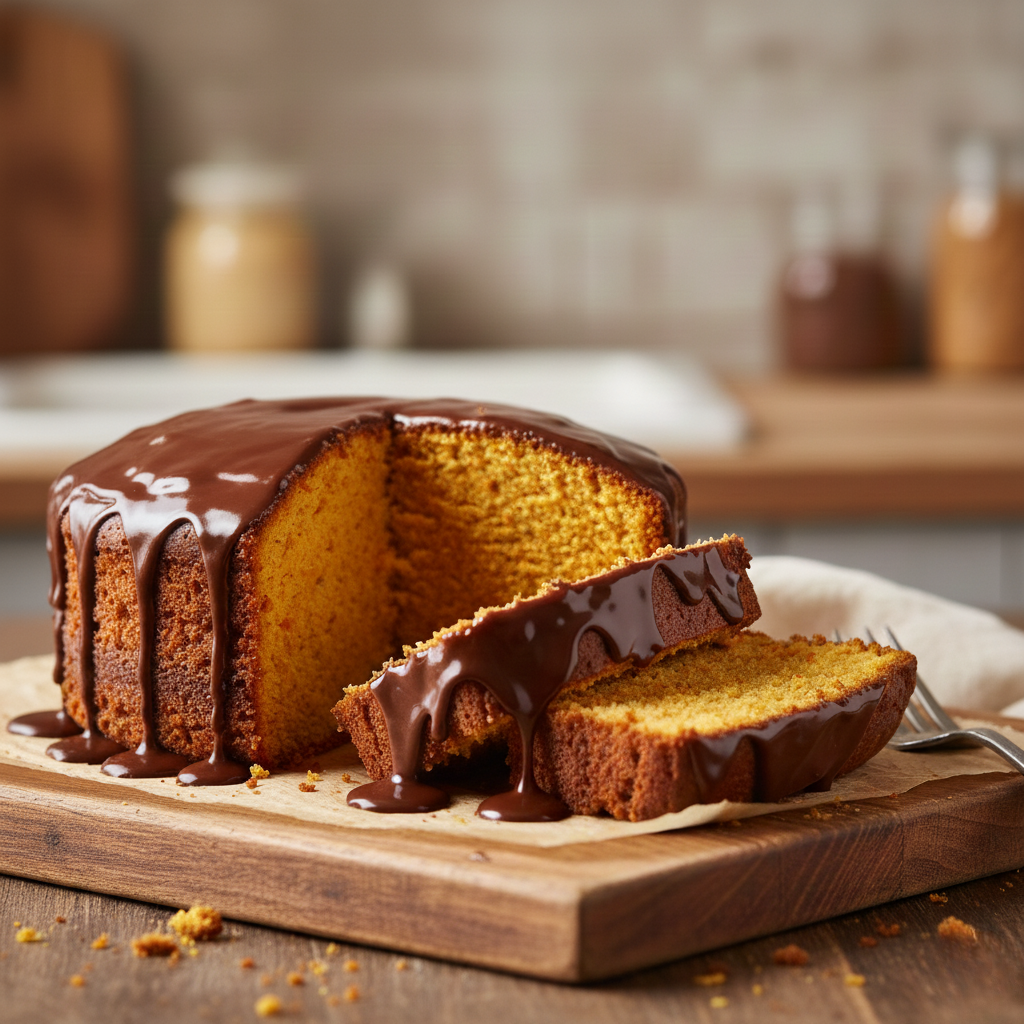
Pair similar flavors: creamy cornmeal cake with anise pairs well with lightly sweetened chamomile or lemon verbena tea. Buttery biscuits go with warm café au lait; the richness of the biscuit and the body of the coffee support each other — for quick individual cake options, a practical alternative is the chocolate mug cake.
For chocolate sweets, prefer a drink that enhances without competing: black tea with a hint of orange, mild apple juice, or lightly sweetened iced coffee elevate the chocolate. Nut biscuits go great with grain tea or light pear juice.
Options to Contrast Flavors: Iced Tea with Sweet and Iced Coffee with Savory
Iced tea cleanses the palate between sweet bites — black tea with lemon or iced hibiscus cuts sweetness and refreshes. Iced coffee pairs with savory items like stuffed tapioca, natural sandwich, or toast with tomato; the bitterness of the coffee enhances savory and fatty flavors. Use coffee ice cubes to avoid dilution.
Ideal Serving Temperature
Serve chilled drinks between 39–50°F (4–10°C) for contrast with warm cakes; between 46–54°F (8–12°C) for cold desserts. Freshly baked cakes are best between 104–122°F (40–50°C) to release aroma without burning the tongue. The hot/cold contrast creates a pleasant experience.
Quick Drink Recipes Ready in 10 Minutes
In 10 minutes you can prepare fruit juice, infused water, lemonade, quick iced tea, or simple iced coffee. Use easy proportions: 1 part juice to 3 parts water, or 1 tablespoon of sugar per glass if you prefer it sweeter. Add herbs, fruit slices, or ginger for personality.
Make individual portions or fill a pitcher to share. These tricks save time and maintain flavor. To accompany your drink with quick snacks, see practical options like stuffed pancake, crepioca, and baked omelette.
Homemade Lemonade and Variations
Basic lemonade: squeeze 2 lemons, add 500 ml of water, and 1–2 tablespoons of sugar or honey. Stir and adjust. Variations: mix orange, passion fruit, or acerola juice with sparkling water. For infused water, combine cucumber, lemon rind, and rosemary in a pitcher for a few minutes.
Quick Iced Tea and Iced Coffee
Quick iced tea: 2 bags per 250 ml of hot water, steep for 4–5 minutes, pour over a glass with plenty of ice. Adjust with lemon or simple syrup.
No-machine iced coffee: dissolve 1 tablespoon of instant coffee in 50 ml of hot water, top up with 150 ml of cold water and ice; add dairy or plant-based milk for creaminess. Shake and serve.
How to Store Safely in the Fridge for Up to 48 Hours
Store in bottles or containers with lids, in the coldest part of the fridge (below 39°F / 4°C); add ice only when serving. Dairy-free drinks last up to 48 hours; citrus fruits lose freshness in 24–36 hours. Drinks with milk or cream should be consumed within 24 hours.
Drinks Suited to Your Dietary Restrictions
Start by thinking about what to avoid — sugar, caffeine, lactose, nuts — and choose a simple base: water, sparkling water, or decaffeinated tea. Diabetics can dilute 100% natural juice; vegans swap dairy for plant-based drinks. Plan portions and note combinations that worked to control sugar and caffeine.
Sugar-Free and Naturally Sweetened Options
Mix 1 part 100% natural juice with 3 parts water to reduce sugar while keeping flavor. Strawberry, passion fruit, and lemon work well; raspberry or blueberry add color without much sweetener. Use honey or maple syrup in moderation, or calorie-free sweeteners like stevia or erythritol.
Caffeine-Free Alternatives: Decaf Iced Tea and Homemade Lemonade
Herbal iced teas (rooibos, hibiscus, chamomile) are great chilled and caffeine-free. Cold brew loose leaf in cold water for several hours in the fridge is another option. Simple lemonade with a little honey or stevia and herbs (basil, fennel) is another refreshing caffeine-free choice.
Labels and Allergy Awareness
Read labels: natural flavors may contain traces of milk, soy, or nuts. At home, wash utensils well to avoid cross-contamination. When serving others, inform them of the ingredients and offer a labeled option for those with allergies.
How to Present Your Afternoon Tea Drinks at Gatherings
Present with confidence: a pitcher at the center, plates with cakes and savory snacks around it. Transparent pitchers show ice and fruit slices, inviting guests to help themselves. Keep extra pitchers in the fridge or in an ice bucket with extra glasses on hand. Match flavors with what you’re serving: citrus iced tea with cornmeal cake; mint lemonade with buttery biscuits.
Decorate with Fruit Slices and Herbs
Use thin slices of lemon, orange, cucumber, or apple and sprigs of mint, basil, or rosemary. Cut the fruit just before serving. Avoid excess citrus rind to prevent bitterness. Macerating herbs with sugar releases aroma for lemonades. A slice on the rim of the glass is a simple and welcoming touch.
Serve Practical Portions for Snack Time
Cut cakes into small pieces and arrange savory snacks in easy portions. Smaller pieces allow guests to try several options without overdoing it. Use small plates and napkins; add small labels with names for those with dietary restrictions.
Glasses, Pitchers, and Ice: What to Use
Prefer transparent glasses and pitchers; large ice cubes melt slowly. Freeze fruit or herbs in ice cubes to decorate and add flavor without diluting quickly. Use tongs or a ladle for hygienic serving.
Buying Ready-Made vs. Preparing at Home: Cost and Time
Buying ready-made is practical on busy days; making at home reduces cost per liter and lets you control sugar and flavor. Making 1 liter of juice or lemonade takes 10–15 active minutes; iced tea and cold brew require longer infusion but passive work. If you make drinks frequently, preparing at home is worth it.
Cost Comparison
Fresh fruit and water are cheaper per liter than industrialized drinks, especially when buying seasonal fruit. Concentrates appear on sale and are convenient — calculate frequency and volume to decide.
Save Time by Making Iced Tea and Coffee in Batches
Prepare a large pitcher at the weekend and keep in the fridge. Freeze coffee or tea ice cubes to avoid dilution; make simple syrup for quick sweetening; store in thermal bottles or lidded pitchers to preserve aroma. To plan meals and quick snacks that pair with your drinks, see light meal ideas and recipes that make the most of simple pantry ingredients.
Basic Shopping List
Seasonal fruit (lemon, orange, strawberry), black/green tea, herbs (mint), ground coffee for cold brew, sugar or honey, ice, filtered water, plus flour, eggs, butter, and baking powder for cakes and sweets. For weekly snack and drink planning, check out weekly menu suggestions.
Benefits of an Afternoon Tea Drink
- Light hydration that complements the snack.
- Sugar and calorie control when made at home.
- Versatility to meet dietary restrictions.
- Easy to prepare and present at gatherings.
- Helps create a comforting pause in the day.
Conclusion
A good afternoon tea drink doesn’t need to be complicated. Simple ingredients — diluted juice, infused water, or iced tea — solve everything with health and practicality: less sugar, more natural flavor. Pairing drinks and sweets with contrast and texture is a trick that makes a real difference. Adjust proportions, note what works, and pay attention to small details like temperature, presentation, and storage. Store safely and enjoy caffeine-free alternatives when you need to wind down.
In the end, the secret is to serve something comforting and practical: a well-made afternoon tea drink is a hug in a glass. Want more ideas and inspiration? Explore recipes and practical suggestions like cornmeal cake, quick pancakes, and other options to make your next snack even more delicious.

12 comentários sobre “Afternoon coffee”