Weekly Menu

You’ll discover how planning helps you balance proteins, carbohydrates, and vegetables, create a shopping list that avoids waste, and follow a simple meal calendar. Quick recipes and techniques to speed up preparation without losing flavor. Easy substitutions that save dinner. Healthy lunches and colorful dishes for kids, practical snacks, and budget-friendly options that make the most of leftovers. Freezing tips, labeling, and varied dinner menus to please the whole family.
Key Takeaways
- Plan your weekly menu
- Pre-prepare your ingredients to save time
- Choose versatile recipes your family will love
- Involve your family in choosing and preparing meals
- Balance your meals with protein, vegetables, and carbohydrates
Practical Planning: How to Build a Weekly Menu with Practical and Delicious Everyday Ideas
You want to spend less time in the kitchen and still eat well every day. Start by setting simple goals: quick meals for weekdays, something more elaborate on weekends, and smart leftovers for lunch. Think of combinations that repeat creatively — one sauce works for two dishes, a roast becomes a sandwich filling — and you’re already halfway there.
Divide the week by themes to avoid indecision at cooking time. Monday quick (pasta or omelet), Tuesday grilled protein, Wednesday legume and grain, Thursday soup or stew, Friday light dinner, Saturday family dish, Sunday roast. This creates routine without monotony. By planning this way, you build a Weekly Menu with Practical and Delicious Everyday Ideas that actually works.
Practice batch prep: chop vegetables, cook grains, and set aside sauces at the start of the week. Marinating proteins in advance saves time and enhances flavor. Small actions — pre-washing salad, portioning fruit — transform your week and save hectic evenings.
Use Weekly Meal Planning to Balance Proteins, Carbohydrates, and Vegetables
To build balanced plates, visualize the dish: half vegetables, a quarter protein, and a quarter carbohydrate. Practical example: brown rice, grilled fish fillet, and a salad with leafy greens and carrot. Simple, colorful, and nutritious.
Vary protein sources throughout the week: eggs, beans, chicken, fish, and tofu on alternating days. Rotate carbohydrates between rice, potato, cassava, and whole wheat pasta — variety keeps the palate interested.
How to Create a Shopping List Based on Your Weekly Menu to Avoid Waste
Start with your list of recipes and note common ingredients. If three dishes call for tomato, add up the quantity. Check what you already have at home before buying. Organize the list by store sections: produce, proteins, grains, dairy. Buy only what you’ll use that week and think of ways to repurpose leftovers — a homemade broth, a sauté that becomes a filling. Small adjustments reduce waste and spending.
Simple Meal Calendar to Follow Each Week
Monday: pasta or quick omelet;
Tuesday: grilled protein with salad;
Wednesday: roasted vegetables and grain (quinoa, rice);
Thursday: soup or stew with bread;
Friday: light dinner or homemade pizza;
Saturday: family dish;
Sunday: roast and leftovers for lunch.
Quick Weekly Recipes: Easy Family Meals in 30 Minutes
Choose recipes with 3 to 6 key ingredients: a quick protein, a grain or pasta, and a vegetable. That way you put together dishes the family already loves in half an hour.
Set aside 15 minutes on Sunday to chop vegetables, store ready-made sauces, and separate protein portions in the freezer. On weekdays you just combine and cook — like assembling a puzzle everyone devours.
You can vary without overcomplicating. Swap seasonings, use leftover rice to make fried rice, turn a can of tuna into quick meatballs, or toss roasted vegetables over simple pasta. The Weekly Menu: Practical and Delicious Everyday Ideas fits perfectly into this routine.
Examples of Quick Weekly Recipes with Common Ingredients
- Chicken stir-fry with vegetables: chicken strips, broccoli, carrot, soy sauce, and ready rice — done in 20 minutes. Swap chicken for tofu or pork.
- Pasta with garlic, oil, tuna, and tomato: golden garlic, chili, diced tomato, and a can of tuna. Toss with hot pasta and serve. Add parmesan or lemon to taste.
Techniques to Speed Up Preparation Without Losing Flavor
Brown the protein first, remove it, and use the same pan for the vegetables — the caramelized base adds extra flavor. Use ready-made condiments in moderation: concentrated broth, garlic paste, or a homemade sauce elevates any recipe. Prefer fresh ingredients to finish: herbs, lemon, grated cheese — they give the feeling of freshly made food.
Quick Substitution List to Save Dinner
- No chicken → turkey breast or chickpeas
- No rice → quinoa or couscous
- No pasta → creamy polenta
- Heavy cream → Greek yogurt + milk
- Fresh tomatoes → ready-made sauce with a splash of vinegar
- Frozen spinach → substitutes fresh
- Cottage cheese/ricotta → substitute strong cheeses in sauces
Healthy Lunch for Kids: Portions, Variety, and Dishes That Please
Start with portions: one palm of protein and one fist of carbohydrate for young children; add two fists of vegetables and greens. If the child is more active, increase the carbohydrate or fruit slightly.
Variety is your best friend: alternate colors, textures, and shapes throughout the week — creamy purée one day, crunchy pieces the next. Use mild seasonings: garlic, chopped herbs, or a little grated cheese tend to be crowd-pleasers.
Pair a favorite food with something new in small portions: beloved pasta with a sauce that includes blended carrot and squash is one example. Planning this way builds habits without drama. Remember the Weekly Menu: Practical and Delicious Everyday Ideas to adapt dishes to your family’s taste.
How to Build Colorful Plates for Your Kids That Provide Essential Vitamins
Colors on the plate mean different vitamins:
- Red (tomato, bell pepper) → vitamin C and lycopene
- Yellow/orange (carrot, squash) → vitamin A
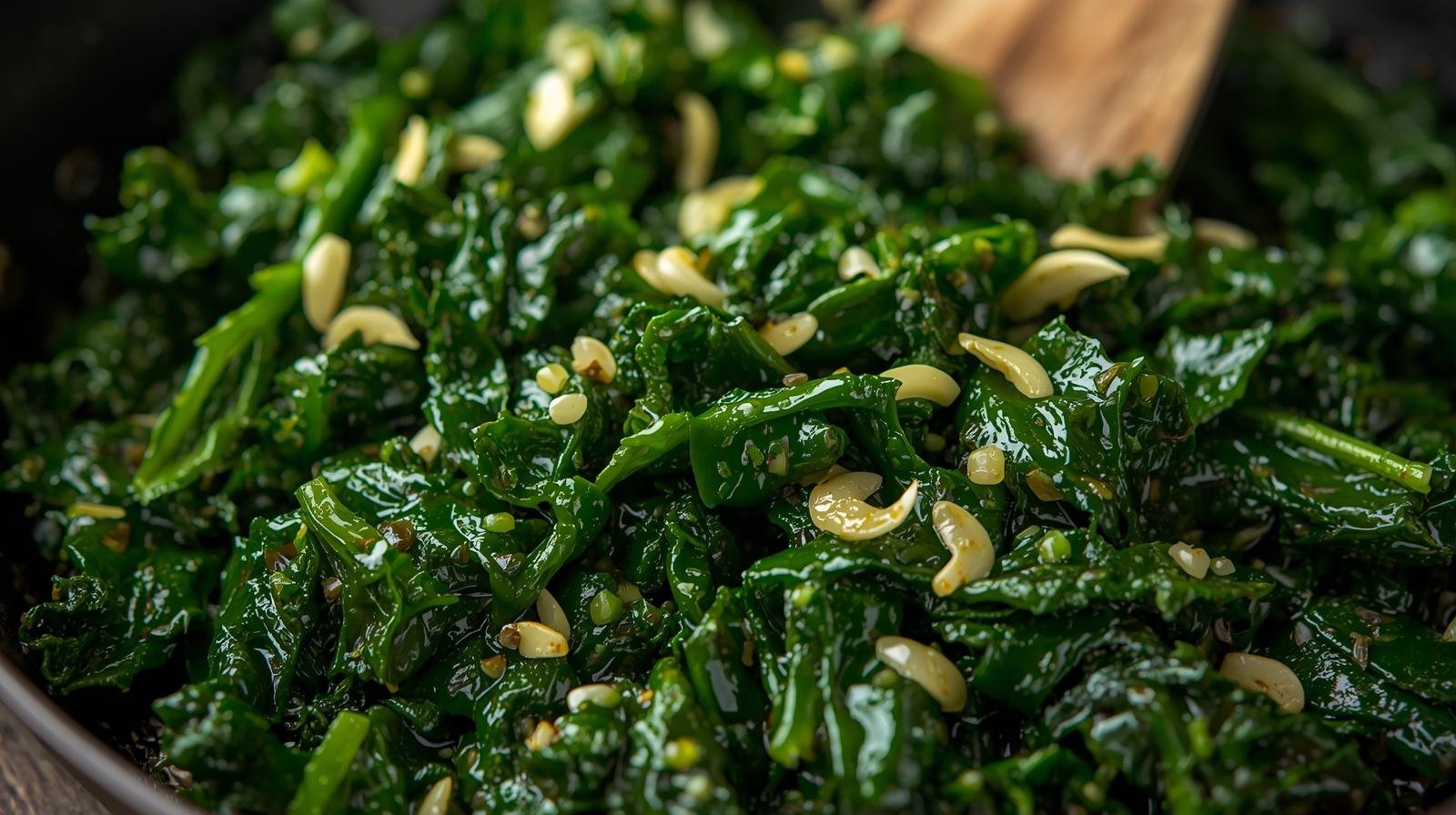
- Dark green (spinach, broccoli) → iron and folate
Place small portions of each group on the plate and explain simply: this helps your eyes or this gives you energy to play. Use fun shapes and presentations: dipping sticks for hummus, colorful skewers, or an edible rainbow.
Homestyle Weekly Recipes Adapted for Kids’ Palates
Use versatile bases: brown rice with sautéed vegetables becomes chicken risotto one day and scrambled rice with egg the next. Make homemade tomato sauce with grated carrot to sneak in the vegetable. Chicken meatballs work for several dishes; a vegetable frittata serves at lunch and snack time. Involving the child in preparation increases the chances they’ll try it.
Healthy Snack Ideas to Complement Kids’ Lunch
Natural yogurt with fruit; carrot and cucumber sticks with hummus; apple with peanut butter; whole grain toast with cheese and tomato; oat and banana muffins — practical and nutritious.
Budget Weekly Menu: Cut Costs with Planning and Smart Shopping
Planning your monthly menu saves time and money. Choose two or three base dishes that share the same ingredients and build variations: rice, beans, vegetables, and a protein that stretches across days. Note unit prices and compare portions — this helps cut waste. The Weekly Menu: Practical and Delicious Everyday Ideas works very well with this approach.
At the store, look for seasonal products and store brands. Buy staples like rice, beans, and oats in bulk. Use frozen items when fresh is expensive; they’re sometimes cheaper and last longer. Avoid shopping hungry: bring a list and a budget.
Batch cooking yields lunches and dinners plus leftovers to freeze. Set aside one evening to prepare two or three complementary recipes: a roasted protein, a cooked grain, and different sides — you can assemble varied plates with minimal effort.
Strategies to Build a Practical Family Menu on a Limited Budget
Map out preferences and schedules: what does the family eat most, who needs lunch ready, who cooks at night? Use simple themed nights to keep the shopping list short without repeating every day. Replace expensive cuts with slow-cooked options, like chuck or brisket — they turn tender and go a long way.
Use ingredients that work across multiple dishes: tomato, onion, carrot, and potato. Plan two recipes with the same base and add twists with herbs, chili, or lemon. Shopping at farmers markets at the end of the day can score bargains; chatting with the vendor sometimes gets you a discount. Keep a weekly budget and track your results.
Making the Most of Leftovers and Budget-Friendly Homestyle Recipes
Transform leftovers: roast meat becomes a sandwich filling, lasagna, or pie; rice becomes croquettes. Keep a base container — broth, chopped vegetables, and rice — that turns into soup or a sauté. Freezing individual portions helps on busy days and prevents waste.
Save peels and stalks to make broth; leftover bread becomes toast, farofa, or homemade breadcrumbs; wilted vegetables are great sautéed with egg. Have fun with food: a simple dinner can come from a well-seasoned mix of leftovers.
How to Calculate Cost Per Serving and Plan Budget Meals
Add up the cost of all ingredients in the recipe and divide by the number of servings. Example: a pot of feijoada for $6 yields 6 servings → $1 per plate. Include oil, seasonings, and small packages with a small extra percentage. Track two or three dishes and you’ll see where to spend less without losing flavor.
Prep and Freezing: Keep Homestyle Recipes Fresh All Week Without Losing Quality
Cook in batches: soups, stews, and sauces gain depth when made in larger quantities. Divide into portions you’ll actually consume. Small containers prevent waste and make daily logistics easier.
Let food cool for no more than two hours before packing. Use airtight containers and, if possible, remove as much air as you can. Label with date and contents. Plan your menu like a map: combine freezer dishes that complement each other throughout the week. The Weekly Menu: Practical and Delicious Everyday Ideas helps you put together quick combinations.
Which Dishes Freeze Well and for How Long
- Soups and broth-based stews: 2–3 months
- Braised meats, meatballs, and chili: 2–4 months
- Cooked rice and pasta: prefer al dente before freezing
- Avoid freezing whole cooked eggs (they lose texture)
Safe Packaging and Reheating for Your Pre-Cooked Meals
Use glass containers with lids, proper freezer bags, or quality plastic containers. Leave room for expansion. Label with date, dish name, portions, and quick heating instructions. Thaw in the refrigerator whenever possible; reheat until thoroughly hot with steam across the entire surface. Only reheat the portion you’ll consume.
Labels and Labeling to Organize Your Flavorful Weekly Menu
Label with date, dish name, portions, and instructions (e.g., “Monday – Chicken Fricassee 2 servings; thaw 8h in fridge, oven 350°F / 180°C 20 min”). Use colors to identify types (green = vegetarian, red = meat) and keep a simple freezer inventory — it turns your freezer into a practical menu.
Family Dinner Ideas: Varied Menus for Each Night of the Week
If you want a Weekly Menu with Practical and Delicious Everyday Ideas, think in colors and textures. One night with roasted vegetables and grilled fillet; another with pasta in a light sauce and crunchy salad; a day with legumes like white beans with herbs — this avoids monotony. Combine quick dishes with options that cook in the oven or pressure cooker.
Organizing by themes makes it easier: Monday pasta, Tuesday legumes, Wednesday meat, Thursday vegetarian, Friday fish or homemade pizza, Saturday comfort food, and Sunday roast. Each theme allows for simple variations. Ask the family for input and use their preferences as your guide — food made with love becomes a memory.
Planning means having time for yourself. With shopping list in hand, avoid extra trips to the store. Set aside one day to pre-prepare basic items — rice, chopped vegetables, ready-made sauce — and evenings become much lighter.
Balanced Dinner Suggestions: Meats, Pasta, Legumes, and Vegetarian Options
- Lemon and herb roasted chicken, sweet potato mash, and steamed broccoli
- Baked ground beef with creamy polenta
- Penne with tomato sauce, spinach, and ricotta
- Tagliatelle with pesto, cherry tomatoes, and pine nuts
- Chili with beans and colorful vegetables
- Eggplant gratin, crustless quiche, or bowls with marinated tofu
How to Build a Flavorful Weekly Menu That Pleases Everyone at Home
Ask what each person likes and what they won’t eat. Create a simple chart: favorite dishes, time available, and ingredients on hand. Alternate new recipes with tried-and-true dishes. Repurpose without losing flavor: rice becomes risotto, leftover chicken becomes tacos, roasted vegetables go into pies. Plan three central meals and one wildcard (soup, omelet, sandwich) for busy days.
Easy Family Recipes You Can Repeat Without Getting Bored
Choose base recipes that accept variations: an enriched tomato sauce for pasta, polenta, or stew; grilled vegetables with a citrus seasoning that pairs with fish, chicken, or chickpeas; a basic pasta that transforms with different cheeses, herbs, or vegetables. Learn three sauces, three sides, and three proteins and mix and match: dozens of dinners without repetition.
Conclusion
You’ve learned that good planning transforms your routine. With a few steps — a smart shopping list, batch cooking, and creative substitutions — you save time and money without giving up flavor. Think of your menu as a map: half vegetables, a quarter protein, a quarter carbohydrate.
Small habits work wonders. Pre-preparing ingredients, labeling portions, and repurposing leftovers become daily tricks that save hectic evenings. Your freezer stops being chaos and becomes a reliable assistant. Variety and care keep even the kids curious at the table.
Start slow. Set aside 15 minutes on the weekend. Invite the family to give their input. Try one quick recipe per week. You gain time, health, and less waste. Want more ideas to make life in the kitchen easier? Read more articles at https://paporetosaude.com.
Frequently Asked Questions
How do I build a practical and delicious weekly menu for the whole family?
Choose 4 to 5 easy recipes. Mix protein, carbohydrate, and vegetables. Plan leftovers for repurposing. Use the Weekly Menu: Practical and Delicious Everyday Ideas as your guide.
How do I adapt the menu for kids who only eat simple things?
Simplify seasonings. Offer the same food with variations. Cut into fun shapes. Let them choose one night per week.
What quick recipes can I include for busy days?
Omelet with vegetables; pasta with a simple sauce; easy baked rice; salad with grilled protein — all ready in 20–30 minutes.
How do I turn leftovers into new meals without effort?
Make wraps, quick pies, or soups. Chop everything and sauté. Mix with a sauce and serve with a grain. Your lunch becomes a new dinner.
How do I build the perfect shopping list for the week?
List by recipes. Group by store section. Buy items that work across multiple recipes. Use the Weekly Menu: Practical and Delicious Everyday Ideas so you don’t forget anything.






22 comentários sobre “Weekly Menu”